


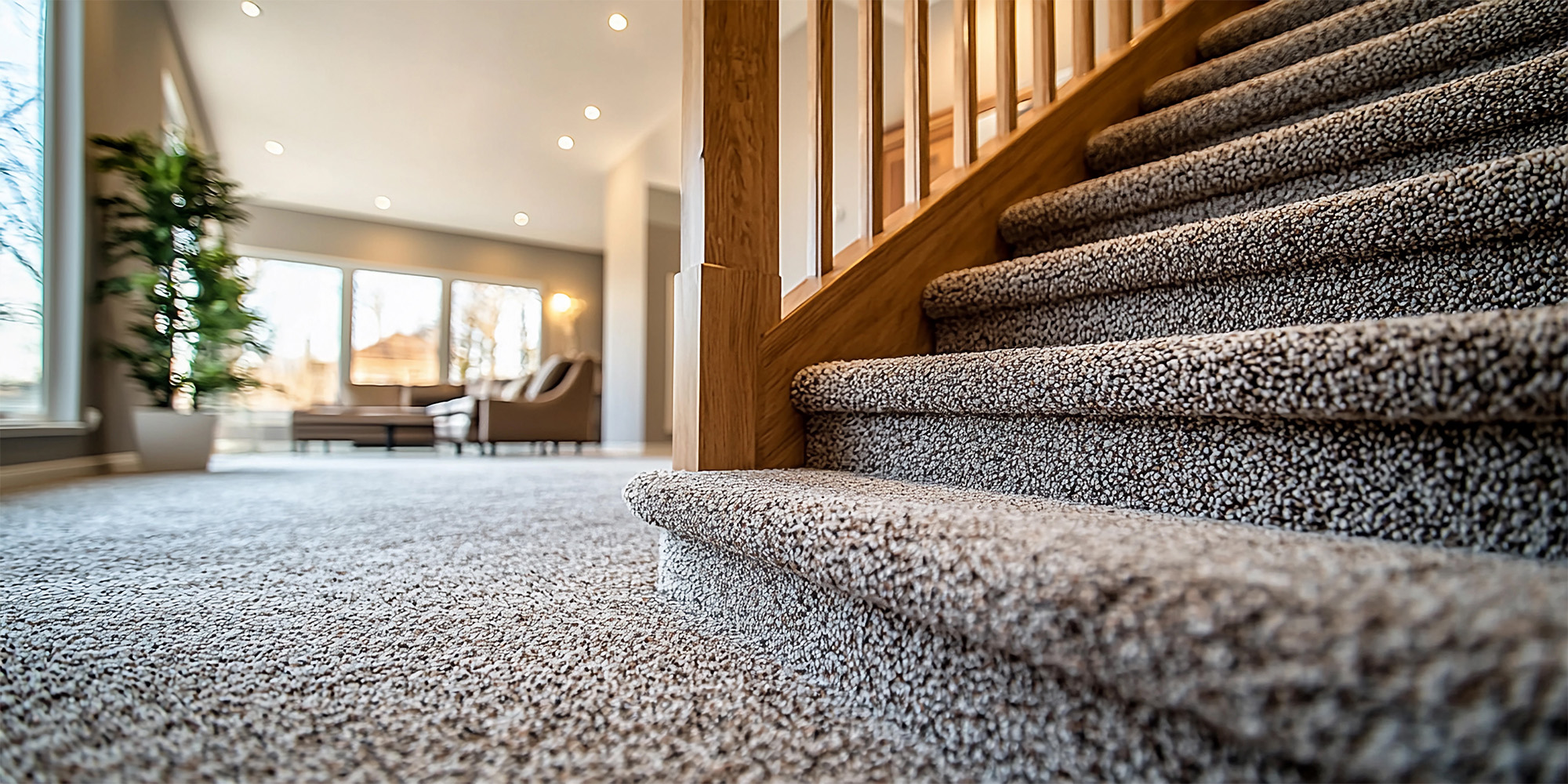
Stairs are among the most frequently used surfaces in a home, yet they are often overlooked when homeowners plan a flooring upgrade. They connect different levels, influence the way people move through the house, and can become a prominent design feature when viewed from a foyer or living room. Choosing carpet for a staircase can introduce warmth, soften footfall, and help create a more comfortable atmosphere, but the decision involves more than selecting a color that matches the hallway.
For homeowners in Sebring, Florida, the ideal stair carpet should balance appearance, durability, maintenance, and a secure fit. Staircases experience repeated pressure on narrow sections of flooring, especially along the tread edges, so carpet construction and professional installation deserve careful attention. With the right combination of material, texture, and design, a carpeted staircase can complement the home's interior while standing up to everyday use.
Why Carpet Can Be a Good Choice for Stairs
Hard flooring can create a crisp, uninterrupted look across a home, but stairs introduce a practical challenge: every step is a small, concentrated walking surface. Carpet adds a layer of softness beneath the feet and can help reduce the sharp sound of footsteps travelling through the house. This can be especially welcome in homes where bedrooms sit above living areas or where the staircase is close to a family room.
Carpet also offers an opportunity to connect the staircase visually with nearby rooms. A color that relates to the hallway or upstairs landing can make the transition between levels feel cohesive. Alternatively, a slightly deeper shade or subtle pattern can give the stairs their own identity without clashing with the rest of the interior.
However, carpet should not be viewed as an automatic guarantee against slips or falls. The carpet, padding, stair geometry, installation quality, and condition of the underlying steps all matter. Loose material, poorly secured edges, thick cushioning, or worn areas can create hazards. A suitable product installed correctly is essential to achieving the intended comfort and appearance.
Understand the Difference Between Carpet Pile Types
The pile describes the way the carpet fibers are constructed at the surface. Different pile styles create different visual effects and respond differently to repeated foot traffic. On stairs, where people repeatedly place their feet in similar locations, resilience and secure installation are particularly important.
Loop pile carpet features yarn formed into small loops. Depending on the product, loop styles can offer a textured, tailored appearance that works well in traditional and contemporary homes. They may be a practical option for staircases, but homeowners should consider the manufacturer's guidance for the specific product. Some loop constructions can snag when caught by sharp objects, and they may not be appropriate for every household or use.
Cut pile carpet has fibers cut at the surface, creating a softer, more open appearance. Textured cut pile can help disguise everyday footprints and subtle shading changes, while plush styles offer a smoother, more formal look. Very soft, deep pile may not be the most practical choice for a staircase because the pile and cushioning can affect how clearly the stair edge is defined.
Cut-and-loop carpet combines different fiber heights to create patterns, texture, or visual variation. This can add character to a staircase and help make small marks less conspicuous. As with any style, check the product specifications for suitability in stair applications rather than selecting by appearance alone.
The most suitable construction depends on the manufacturer's recommendations, the household's traffic, and the look you want to achieve. A flooring professional can help compare samples and explain which products are appropriate for stairs.
Choose Carpet That Can Handle Repeated Foot Traffic
Stair carpet receives a different kind of wear from carpet in a rarely used guest bedroom. People place their weight on the same central area of each tread, and the front edge of each step can experience considerable friction. Over time, an unsuitable carpet may show flattened pile, shading changes, or visible wear in these high-contact areas.
When comparing products, ask about the carpet's construction, density, fiber type, warranty coverage, and suitability for stairs. No single fiber label tells the whole story. Construction quality, pile height, twist, backing, and installation all influence how a carpet performs.
Shorter or moderately textured pile may be easier to maintain on stairs than a very deep, loose surface. A product with a pattern or subtle variation can also help disguise small differences in appearance as the carpet ages. However, the pattern should not be so visually busy that it makes individual steps harder to distinguish.
Consider the traffic your staircase receives. A household that uses the stairs constantly may need a different product from one where the staircase is mainly used to access occasional guest rooms. If pets regularly use the stairs, ask about fiber durability, snagging concerns, and the manufacturer's cleaning recommendations.
Carpet Padding and Stair Installation Matter
Padding is not simply an extra layer intended to make carpet feel softer. The appropriate cushion supports the carpet and influences how it responds to pressure. On stairs, too much cushioning or a cushion that is not suitable for the carpet can compromise the fit and affect the feel underfoot.
Use a padding product approved for the selected carpet and stair application. Follow the manufacturer's instructions for thickness, density, and installation. A cushion designed for a large, flat room should not automatically be assumed to be suitable for a staircase.
Installation requires careful measuring and secure attachment. Carpet must fit the shape of each tread and riser, with edges and seams handled according to the chosen installation method. Poorly secured carpet can shift or loosen, while excessive material at a stair edge can interfere with a stable step.
The condition of the underlying staircase should also be checked before installation. Loose boards, damaged nosings, uneven surfaces, and protruding fasteners should be addressed first. Covering a structural or surface problem with carpet will not resolve it.
If you are replacing old stair carpet, take the opportunity to inspect the steps once the existing material has been removed. A professional can identify repairs or preparation that may be necessary before the new flooring goes in.
Should You Carpet the Entire Staircase or Use a Runner?
Wall-to-wall stair carpet covers the full width of each step, creating a continuous appearance from one side to the other. This can work well when you want the staircase to feel visually connected to carpeted hallways or upstairs rooms. It also offers a consistent surface across the tread, provided the carpet is installed and maintained correctly.
A stair runner leaves some of the underlying stair material visible along the sides. This approach can highlight wood stair edges, painted risers, or decorative trim. It may suit a traditional interior or a home where the staircase itself is intended to be a feature.
Runners introduce additional design choices, including border treatments, stripe direction, pattern placement, and the width of the exposed sides. The proportions need to suit the staircase. A runner that is too narrow can look disconnected, while one that is too wide may hide the very detail the homeowner wanted to showcase.
Runner installation also needs to be secure and appropriate for the stair construction. The exposed portions of the steps must remain in good condition, and the carpet should not move underfoot. Ask the installer how the runner will be fixed and maintained before choosing this approach.
Select a Color That Works With the Whole Interior
Because stairs often connect multiple rooms, carpet color can influence the appearance of more than one space. A neutral tone can help the staircase blend with surrounding walls and flooring. Warm beige and taupe may complement natural wood finishes, while gray-based neutrals can work with cooler paint colors and contemporary furnishings.
Darker shades can create definition and may disguise some everyday soil, but they can also show lint or light-colored debris. Very pale carpet can brighten a dim staircase, although it may reveal marks more readily in a busy household. Mid-tone colors and subtle patterns often provide a useful balance.
Before deciding, view samples near the stairs and under the lighting conditions the area receives. A color that looks soft and neutral in a showroom may appear warmer or cooler at home. Compare the carpet with the flooring at the top and bottom of the staircase, as well as with the wall color, trim, and handrail.
Patterns require special consideration. Stripes can emphasize the direction of the stairs, while repeating geometric designs may need precise placement to look balanced. If the staircase has a turn or landing, ask how the pattern will align across the different sections.
Keep Stair Carpet Looking Its Best
Routine maintenance helps remove grit before it works into the carpet fibers. Vacuum the treads regularly using equipment suitable for the carpet and stair shape. A vacuum with appropriate attachments can make it easier to reach corners and edges where dust tends to collect.
Address spills promptly and follow the carpet manufacturer's cleaning instructions. Avoid applying unapproved chemicals or saturating the carpet, as excessive moisture can affect the backing, cushion, or underlying stair material. If a stain persists, use a cleaning method recommended for the specific carpet rather than repeatedly scrubbing the area.
Periodically inspect the staircase for loose edges, shifting material, damaged areas, or changes in the way the carpet sits on the steps. Do not ignore a section that appears to be lifting. Prompt attention can help prevent a minor installation issue from becoming a safety concern.
Find the Right Carpet for Your Staircase
A carpeted staircase can add comfort, improve the acoustic feel of a home, and create a strong design connection between floors. The best result comes from choosing a suitable construction, coordinating color and pattern with the surrounding interior, and ensuring the carpet and padding are installed securely.
Griffin's Carpet Mart Inc. helps homeowners in Sebring explore flooring options for projects of different sizes, from a single staircase to a broader home refresh. Browse the carpet flooring selection to compare styles and textures, then contact Griffin's Carpet Mart to discuss your staircase, request an estimate, and find a carpet that suits your home and everyday needs.


