


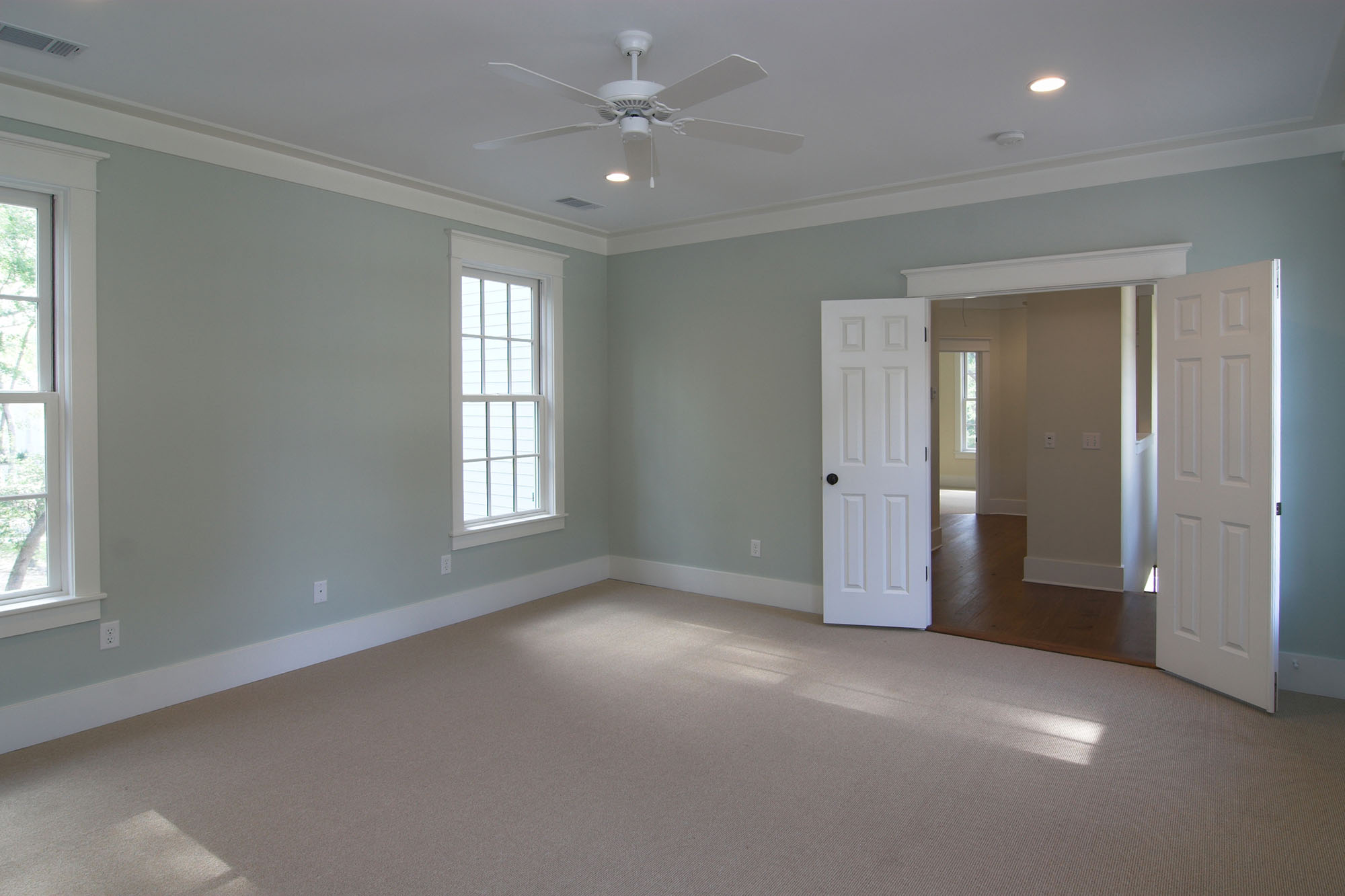
A room can look beautifully finished and still feel uncomfortable to spend time in. Conversations may seem unusually loud, television sound can bounce around the walls, and even ordinary footsteps may make the space feel busier than it is. This is especially noticeable in rooms with hard floors, high ceilings, large windows, and minimal soft furnishings.
For homeowners in Sebring, Florida, carpet can be part of a practical strategy for making indoor spaces feel quieter and more comfortable. It will not soundproof a room or eliminate every noise travelling through a house, but it can help reduce some of the reflections and impact sounds that contribute to a noisy interior. Understanding what carpet can and cannot do makes it easier to choose the right flooring for the room.
Why Some Rooms Sound Louder Than Others
Sound travels through a room and interacts with the surfaces it encounters. Hard, smooth materials such as tile, glass, and many painted surfaces tend to reflect sound more readily than soft, porous materials. When a room contains many reflective surfaces and few furnishings that absorb sound, voices and other noises can linger or overlap.
Think about a room with tile flooring, bare walls, a large window, and only a sofa and coffee table. A conversation may seem sharper in that setting than it would in a room with a rug, curtains, upholstered furniture, and bookshelves. The difference is not necessarily because anyone is speaking more loudly; the room itself is influencing how sound is perceived.
Carpet introduces a softer surface that can absorb some sound energy, particularly at higher frequencies. The amount of absorption depends on the carpet construction, pile, backing, cushion, and the rest of the room. A carpeted floor can reduce some reflected sound compared with a bare hard surface, but the effect varies from one product and room to another.
This distinction is important because acoustic comfort is not the same as soundproofing. If the goal is to stop a neighbor's music, block traffic noise, or prevent sound from travelling between floors, carpet alone will not solve the underlying transmission problem.
How Carpet Helps With Everyday Noise
Carpet can contribute to a quieter environment in more than one way. First, its soft surface can reduce the sharp sound created by footsteps, dropped objects, and movement across the floor. The difference may be particularly noticeable in bedrooms, upstairs hallways, family rooms, and other spaces where people move around frequently.
Second, carpet can help limit sound reflections within the room. When sound strikes a soft, fibrous surface, some of its energy is absorbed rather than reflected back into the space. This can help make speech and other everyday sounds feel less harsh in a room with many hard surfaces.
The result depends on the entire room. Carpet may have a more noticeable effect in a space that previously had a bare floor than in a room already filled with curtains, upholstered furniture, and other sound-absorbing materials. A very large room with a high ceiling may still have a lively acoustic character even after carpet is installed.
Carpet also changes the physical experience of walking through a home. Footsteps can feel less sharp, and the surface may make bedrooms and lounging areas feel more relaxed. For people who work from home, read, watch television, or enjoy quiet hobbies, these everyday differences can be just as valuable as the visual appeal of the flooring.
Does Carpet Padding Make a Difference?
Padding is an important part of a carpet installation. It supports the carpet, affects its feel underfoot, and can influence the way impact sounds are transmitted. However, the thickest cushion is not automatically the best choice for acoustic performance or carpet longevity.
The appropriate cushion should match the selected carpet and the manufacturer's requirements. Density, thickness, material, and installation conditions all matter. A cushion that is too soft or too thick for the carpet may affect stability, wear, or warranty coverage.
If sound reduction is a priority, ask about the carpet-and-cushion combination rather than judging the carpet sample alone. Some product specifications include information about sound absorption or impact sound performance, which can help when comparing options. Where precise acoustic performance is essential, request relevant test data instead of relying on general marketing descriptions.
It is also worth considering the floor construction beneath the carpet. In a multi-story home, the ceiling assembly, joists, subfloor, and any insulation can influence how impact noise travels between levels. Carpet and cushion can contribute to reducing certain noises, but they do not replace the need to address the structure if sound transmission is a major concern.
Which Rooms Benefit Most From Carpet?
Bedrooms: Bedrooms are often the first spaces homeowners consider when they want a quieter and more comfortable atmosphere. Carpet can soften footsteps, reduce some sound reflections, and create a more relaxed feel when getting out of bed. A neutral or textured style can also support a calm design without drawing attention away from bedding and furniture.
Home offices: A home office may contain a desk, computer equipment, a chair, and relatively few soft furnishings. If the room feels echoing during calls or video meetings, carpet may help reduce some reflections from the floor. It is not a replacement for a microphone, appropriate room setup, or acoustic treatment, but it can be one part of a more comfortable working environment.
Family rooms: These spaces often serve several purposes, from watching movies to playing games and hosting visitors. Carpet can help soften the sound of everyday activity and make the room feel less acoustically sharp. Choose a construction suited to the level of traffic and the household's cleaning routine.
Upstairs hallways and landings: Hard flooring in a hallway can amplify the sound of people walking between bedrooms. Carpet can soften those footsteps and create a visual connection between adjoining rooms. For stairs, select a carpet and installation method specifically suited to the application.
Media and hobby rooms: Rooms used for television, music practice, gaming, or other hobbies may benefit from a combination of carpet and additional acoustic measures. Carpet can help with some reflections, but wall treatments, curtains, furnishings, and the room's geometry may also influence the result.
Choose a Carpet Construction That Suits the Room
Acoustic comfort should not be the only factor in the selection. The carpet also needs to withstand the room's traffic, look appropriate with the decor, and meet the homeowner's maintenance expectations. A soft, deep pile may feel inviting in a quiet bedroom, while a textured construction may be more practical in a room that sees frequent use.
Fiber type, pile height, density, and backing can all affect the carpet's overall performance. Compare product specifications and ask how each option is expected to perform in the intended room. Do not assume that two carpets that look similar will offer the same durability or acoustic characteristics.
Color and texture can also contribute to the atmosphere. Soft neutrals may create a restful backdrop, while a subtle pattern can introduce depth without making the room feel visually busy. If the room already contains patterned upholstery, artwork, or decorative curtains, a more restrained carpet can help maintain balance.
Before making a final decision, bring samples into the room if possible. Check them in daylight and under the lighting used in the evening. Consider how the carpet will relate to the wall color, furniture, and flooring in adjacent spaces.
Carpet Is Not the Same as Soundproofing
One of the most common misunderstandings about acoustic flooring is the idea that carpet can block every type of noise. In reality, sound absorption and sound insulation are different functions. Absorption helps reduce sound energy reflected within a space, while insulation concerns how much sound passes through a building assembly from one area to another.
Carpet may help reduce the sound of footsteps on a floor, but it will not necessarily stop voices travelling through walls or bass from a neighboring room. If noise transmission between floors is severe, the solution may involve improvements to the floor-ceiling assembly, insulation, resilient components, or other building elements.
For homeowners who need a measurable reduction in noise transmission, it is worth identifying the source of the sound before choosing a product. A flooring professional can explain the role carpet plays in the overall installation, while an acoustics specialist may be appropriate for more demanding sound-control goals.
Combine Flooring With Other Sound-Softening Choices
Carpet works best as part of a room-wide approach to acoustic comfort. Thick curtains, upholstered furniture, fabric-covered seating, and well-placed rugs can help reduce reflections from other surfaces. Bookshelves and decorative textiles may also change the way sound behaves, depending on their placement and construction.
If a room contains large windows, consider curtains or other suitable window treatments. If the walls are bare, artwork or fabric-based acoustic panels may help, provided they suit the room's design and intended use. A room does not need to be covered in soft materials to feel comfortable; the goal is to balance reflective and absorptive surfaces.
Furniture layout matters as well. A room with all the furniture pushed against the walls may have a different acoustic feel from one with seating arranged to create smaller conversation areas. Try to identify where sound seems to linger and consider which surfaces might be contributing to the problem.
Maintain Carpet to Preserve Its Comfort
Regular vacuuming helps prevent dirt and grit from accumulating in the pile. Follow the manufacturer's maintenance recommendations and use cleaning methods suitable for the specific carpet. Promptly address spills, and avoid excessive moisture or unapproved cleaning chemicals.
In Sebring's warm climate, ventilation and moisture management are important for maintaining a comfortable home. Carpet should be installed over a suitable, dry subfloor, and any moisture problems should be resolved before new flooring is put down. A clean, properly maintained carpet is more likely to remain attractive and comfortable over time.
Create a More Comfortable Sound Environment
Carpet can help soften a room's acoustic character, reduce some everyday impact sounds, and add a layer of comfort to spaces where people relax or work. Its effectiveness depends on the carpet, cushion, floor construction, and other surfaces in the room, so it is best viewed as one part of a broader approach to acoustic design.
Griffin's Carpet Mart Inc. can help Sebring homeowners compare carpet styles and consider the needs of individual rooms. Explore the carpet flooring collection to review available looks and textures, then contact the team to discuss your space and request an estimate. Whether you're refreshing a home office, updating bedrooms, or making a busy family room feel more comfortable, the right carpet can contribute to a more welcoming interior.


